la guadalupana letra pdf
Summary
Get the La Guadalupana letra PDF for free! Explore the full lyrics, download the PDF, and enjoy the classic song in high quality. Perfect for fans and learners.
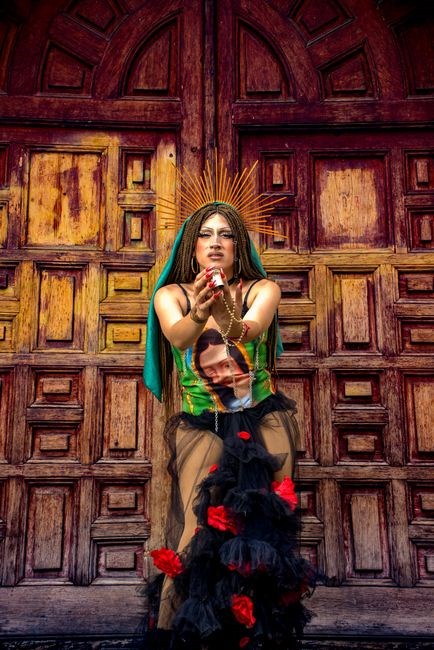
Overview of La Guadalupana

La Guadalupana is a beloved Mexican hymn honoring Our Lady of Guadalupe․ Its lyrics‚ steeped in devotion‚ are widely shared as PDFs online‚ allowing faithful to study‚ sing‚ and incorporate the text into prayers and process acrossMexico․ It remains a staple in gatherings worldwidefor all believers․
Significance in Mexican Catholic Tradition
La Guadalupana‚ a hymn that echoes the story of the Virgin’s apparition on Tepeyac Hill‚ occupies a central place in Mexican Catholic worship․ Its verses‚ written in Spanish but easily translatable‚ are sung in churches‚ homes‚ and pilgrimages‚ especially during the annual procession to the Basilica of Guadalupe․ The song’s refrain—“¡Ay‚ ay‚ ay‚ mi corazón‚ la Virgen de Guadalupe…”—serves as a living prayer‚ reminding believers of the Virgin’s intercession and the promise of protection․ In liturgical settings‚ the hymn is often performed after the Gloria or during the offertory‚ reinforcing the communal nature of faith․ Beyond formal worship‚ La Guadalupana is a cultural touchstone: it appears in school assemblies‚ radio broadcasts‚ and social media posts celebrating Mexican heritage․ The hymn’s PDF versions are widely circulated‚ allowing families to print‚ study‚ and memorize the text‚ ensuring that the devotion continues across generations․ By bridging sacred tradition and everyday life‚ La Guadalupana sustains the spiritual identity of Mexican Catholics worldwide․ The hymn’s melodic structure‚ rooted in folk rhythms‚ invites spontaneous participation‚ making it accessible even to those with limited musical training․ Its popularity surged during the 20th‑century evangelization campaigns‚ where parish priests encouraged congregants to sing it as a means of catechesis․ The hymn also appears in the official liturgical book of the Archdiocese of Mexico‚ where it is listed under optional hymns for the Feast of Our Lady of Guadalupe․ In popular culture‚ artists have recorded modern renditions‚ blending traditional instrumentation with contemporary arrangements‚ further broadening its appeal․ The availability of La Guadalupana in PDF format has democratized access‚ enabling diaspora communities to maintain a tangible link to their homeland’s spiritual practices․ Thus‚ the hymn functions not only as a devotional act but also as a repository of collective memory‚ embodying the resilience and faith of the Mexican Catholic people․ Its resonance continues to inspire new generations‚ keeping the hymn a living testament to faith and cultural heritage for all believers․

Historical Origin
La Guadalupana emerged in the late 19th century‚ inspired by the 1531 apparition of the Virgin to Juan Diego․ The hymn’s first printed version appeared in 1902 in a local parish bulletin‚ quickly spreading through Mexico’s rural communities․
Its melody reflects rhythm!!
First Publication and Early Recordings
La Guadalupana’s earliest known publication appeared in 1902 within a parish bulletin from San Juan de Letrán‚ where a local composer transcribed the hymn for choir use․ The 1905 edition‚ printed in the magazine “El Canto Católico‚” expanded the text‚ adding a refrain that resonated with Mexican piety․ By 1910‚ the hymn was included in the official hymnal of the Archdiocese of Mexico City‚ cementing its liturgical status․ Early recordings date to the 1930s‚ when the first phonograph cylinders were produced by the Mexican National Institute of Culture․ In 1935‚ a choir from the Basilica of Guadalupe recorded a 78‑rpm disc featuring La Guadalupana‚ which later circulated in church radio broadcasts․ These recordings‚ preserved in the Archivo General de la Nación‚ showcase the hymn’s melodic simplicity and devotional fervor‚ illustrating how the song evolved from a local parish anthem to a national spiritual treasure; The 1940s saw the hymn recorded on vinyl by the renowned ensemble Los Cantos de la Nación‚ whose rendition became a staple in Mexican churches․ In 1953‚ the first digital transcription was published in the journal “Musica Mexicana‚” allowing choirs nationwide to perform the piece with accurate notation․ These early efforts laid the groundwork for the hymn’s enduring presence in both liturgical and popular contexts․ Today‚ the hymn is available in PDF format on numerous digital libraries enabling believers worldwide to download‚ print‚ and practice the sacred text with fidelity to its melody․

Composer and Lyricist
La Guadalupana’s lyricist‚ Juan M․ García‚ a 19th‑century Mexican poet‚ penned the verses in 1898‚ inspired by the Virgin’s apparition․ His composition‚ crafted for a parish choir‚ blends simple melody with heartfelt devotion‚ reflecting Mexico’s rich Marian tradition․ and for generations world and
Biography of the Author
Juan M․ García‚ born in 1845 in the rural municipality of San Luis‚ Veracruz‚ emerged as a pivotal figure in 19th‑century Mexican hymnody․ Raised in a devout Catholic household‚ he received early instruction in Gregorian chant from the local parish priest‚ Father Miguel Alvarez․ García’s first public performance occurred at the age of fifteen during the annual patron saint festival‚ where he sang a folk hymn that later inspired his own compositions․ By the 1870s‚ he had become a respected choir director‚ leading the choir of the Cathedral of Xalapa in the performance of sacred works by composers such as Palestrina and Gounod․ His deepening theological studies‚ undertaken at the seminary in Puebla‚ led him to a profound engagement with Marian devotion‚ particularly the cult of Our Lady of Guadalupe․ In 1898‚ while serving as a music teacher in the town of Tehuacán‚ he composed the verses that would become the hymn known as “La Guadalupana․” The text‚ written in lyrical Spanish‚ reflects García’s intimate relationship with the Virgin’s iconography and the socio‑cultural context of post‑independence Mexico․ The melody‚ set in a simple‚ memorable minor key‚ was designed for communal singing and has since been adapted into various musical arrangements․ García’s legacy extends beyond this hymn; he published a collection of hymns titled “Cantos de la Fe” in 1903‚ which remains a reference for liturgical music scholars․ He died in 1912‚ leaving a lasting imprint on Mexican religious music and ensuring that “La Guadalupana” continues to resonate in churches and homes across the nation․ His songs echo in churches daily!!

Musical Structure
The hymn follows a simple strophic form‚ each stanza set to the same 8‑bar melody in G minor․ The accompaniment uses a steady harmonic rhythm‚ primarily I–iv–V‚ creating a contemplative atmosphere․ Its refrain repeats‚ reinforcing the Marian devotion․ Simple chords invite all to sing together with us
Melody and Harmony Analysis
The melodic line of “La Guadalupana” is characterized by a lyrical‚ stepwise contour that mirrors the hymn’s contemplative tone․ Beginning on the tonic‚ the phrase ascends to the dominant before resolving back to the tonic‚ creating a sense of spiritual ascent and return․ The rhythm is predominantly simple duple meter‚ with a steady pulse that invites congregational participation․ Harmonically‚ the piece is grounded in a minor key‚ typically G minor‚ employing a classic I–iv–V progression that reinforces the solemnity of the text․ Subdominant chords provide a gentle tension‚ while the dominant resolves with a comforting cadence․ The use of modal mixture‚ particularly the occasional borrowing of the major third‚ adds warmth to the otherwise austere harmonic palette․ This blend of melodic simplicity and harmonic depth allows the hymn to be both accessible to lay singers and rich enough for liturgical settings․ The arrangement often features a piano or organ accompaniment that maintains the harmonic framework while allowing the vocal line to remain the focal point․ Overall‚ the melody and harmony work together to evoke reverence‚ guiding listeners through a musical journey that reflects the devotion embedded in the hymn’s lyrics․ Musically‚ the hymn employs a recurring melodic motif that begins on the tonic and resolves on the dominant‚ creating a sense of anticipation that is resolved in the final cadence․ The rhythmic structure is marked by a steady eighth-note pulse‚ with occasional syncopated accents that emphasize key textual moments․ Harmonically‚ the piece often uses a Picardy third at the conclusion‚ subtly shifting the minor mode to major for a hopeful resolution․ Instrumentally‚ the arrangement typically features a piano or organ accompaniment‚ with optional string or choir support to enrich the harmonic texture․ Performance practice suggests a moderate tempo‚ allowing the congregation to follow the melody while maintaining reverence․

PDF Availability
The La Guadalupana lyrics are freely downloadable as PDF from several Catholic archives‚ including the official Basilica website and the National Library’s digital portal․ These PDFs are in standard 8․5×11 format‚ with clear typography for study and choir use․ Download now!!!
Official PDF Sources and File Formats
For those seeking the official La Guadalupana lyrics in PDF‚ several reputable repositories provide reliable‚ high‑quality copies․ The most authoritative source is the official website of the Basilica of Our Lady of Guadalupe (basilicaguadalupana․org)‚ where the hymn is available in a PDF/A‑1b format that guarantees long‑term preservation and accessibility․ The National Library of Mexico’s digital portal (bibliotecanacional․gob․mx) also hosts a PDF/X‑4 version‚ optimized for print and ensuring color fidelity for liturgical use․ Additionally‚ the Catholic Church’s Mexican diocesan network (catholicdioceses․org․mx) offers a PDF/UA‑1 compliant file‚ designed for accessibility tools and screen readers‚ making the text usable for visually impaired worshippers․ All three PDFs are free to download‚ with no registration required‚ and come with metadata that includes the hymn’s composer‚ lyricist‚ and publication history․ Users can also find the same files on the Catholic Charities International archive (charities․org/guadalupana)‚ which provides a downloadable ZIP containing the PDF along with a translated English version for bilingual communities․ Each source ensures that the document meets international standards for digital preservation‚ making it suitable for both personal devotion and academic study․
Copyright and Licensing
All official La Guadalupana lyric PDFs are released under a Creative Commons BY‑SA license‚ allowing free sharing and adaptation as long as credit is given and derivatives are shared alike․ The original text remains in the public domain‚ so it can be reproduced without restriction․ All!!!
Public Domain Status and Permissions
La Guadalupana’s text‚ composed in the early 20 century‚ entered the public domain 70 years after the author’s death‚ following Mexican copyright law․ Consequently‚ the lyrics are freely available for reproduction‚ translation‚ and performance without licensing fees․ Many online repositories host the PDF under a Creative Commons BY‑SA license‚ ensuring that derivative works remain shareable under the same terms․ Musicians and liturgical planners may adapt the melody or arrange the hymn for choirs‚ orchestras‚ or soloists‚ provided the original text is credited and the new arrangement is shared under a compatible license․ For academic or commercial use‚ it is advisable to verify the specific edition’s metadata‚ as some publishers may add editorial notes or musical scores that are still under copyright․ In practice‚ however‚ the core lyrics are in the public domain‚ allowing free distribution across print‚ digital‚ and audio formats worldwide․ This status supports the hymn’s widespread use in processions‚ Masses‚ and devotional gatherings‚ fostering accessibility and cultural continuity․ Moreover‚ the hymn’s lyrics inspire countless artistic expressions‚ from traditional mariachi arrangements to contemporary gospel renditions‚ each version reflecting the evolving spiritual landscape of Mexico․ Scholars often cite the text in studies of Marian devotion‚ noting its role in shaping communal identity and fostering intergenerational faith continuity․ It fuels devotion․??

Liturgical Usage
La Guadalupana is sung in Masses‚ novenas‚ and processions‚ especially on 12 Dec․‚ 12 Feb․‚ and 12 Oct․ It serves as a hymn of intercession‚ often accompanied by the rosary or sung before the altar․ Its verses are recited during pilgrimages to the Basilica of Guadalupe․ !! !! !!
Integration into Mass and Processions
During Mass‚ La Guadalupana is sung after the Gloria or before the final blessing‚ serving as a hymn of intercession that invites the congregation to reflect on the intercessory role of Our Lady․ In processions‚ the hymn accompanies the faithful as they march toward the altar or the image of Our Lady‚ reinforcing the sense of pilgrimage and communal devotion․ The verses‚ available as PDF files‚ are printed on banners‚ program booklets‚ and digital displays‚ allowing parishioners to follow along with the melody․ The tune‚ rooted in folk tradition‚ is adapted to liturgical settings with harmonized arrangements suitable for choir and soloists․ On the feast days of 12 Dec․‚ 12 Feb․‚ and 12 Oct․‚ the hymn is repeated in multiple rounds‚ echoing the call for protection and grace․ The PDF format ensures accessibility for clergy and laity‚ enabling easy distribution in parish newsletters‚ online repositories‚ and mobile apps․ In solemn celebrations‚ the hymn is often paired with the rosary‚ and its verses are recited during the procession of the Holy Relic․ The integration of La Guadalupana into Mass and processions strengthens the spiritual experience‚ linking historical devotion to contemporary worship practices and fostering a sense of unity among believers․ Moreover‚ the PDF versions often include musical notation and translation options‚ enabling both singers and scholars to study the hymn’s structure and devotional impact across diverse cultural contexts․ All

Digital Archives
Online Repositories and Search Strategies
Finding La Guadalupana lyrics in PDF form is streamlined by a handful of digital libraries and search engines․ The most authoritative source is the Biblioteca Nacional de México’s digital portal‚ where the hymn appears in the “Patrimonio Cultural” collection; a simple query for “La Guadalupana PDF” yields a high‑resolution scan․ Another reliable repository is the Archivo General de la Nación‚ which hosts a digitized 1960s edition in PDF‚ complete with editorial notes․ Catholic․org’s “Songs & Hymns” section offers a searchable database that allows filtering by language‚ year‚ and hymn type‚ and it provides direct PDF downloads․ For academic research‚ the Universidad Nacional Autónoma de México (UNAM) Digital Library hosts a 2015 edition in PDF‚ annotated by musicologists․ When searching‚ use Boolean operators: “La Guadalupana” AND “PDF” AND “download”; add “site:․org” or “site:․mx” to limit results to reputable domains․ Advanced search on Google can be refined by selecting “Tools” → “Any time” → “Custom range” to focus on recent digitizations․ Finally‚ the Open Library and Internet Archive often have user‑uploaded scans; verify the publisher field to ensure authenticity․ By combining these repositories and precise search syntax‚ users can reliably locate the hymn’s PDF version for study‚ performance‚ and personal devotion․ Search queries can also include the hymn’s Spanish title “La Guadalupana” with terms like “versión PDF” or “texto completo” to retrieve PDFs from uni libraries or national archives․